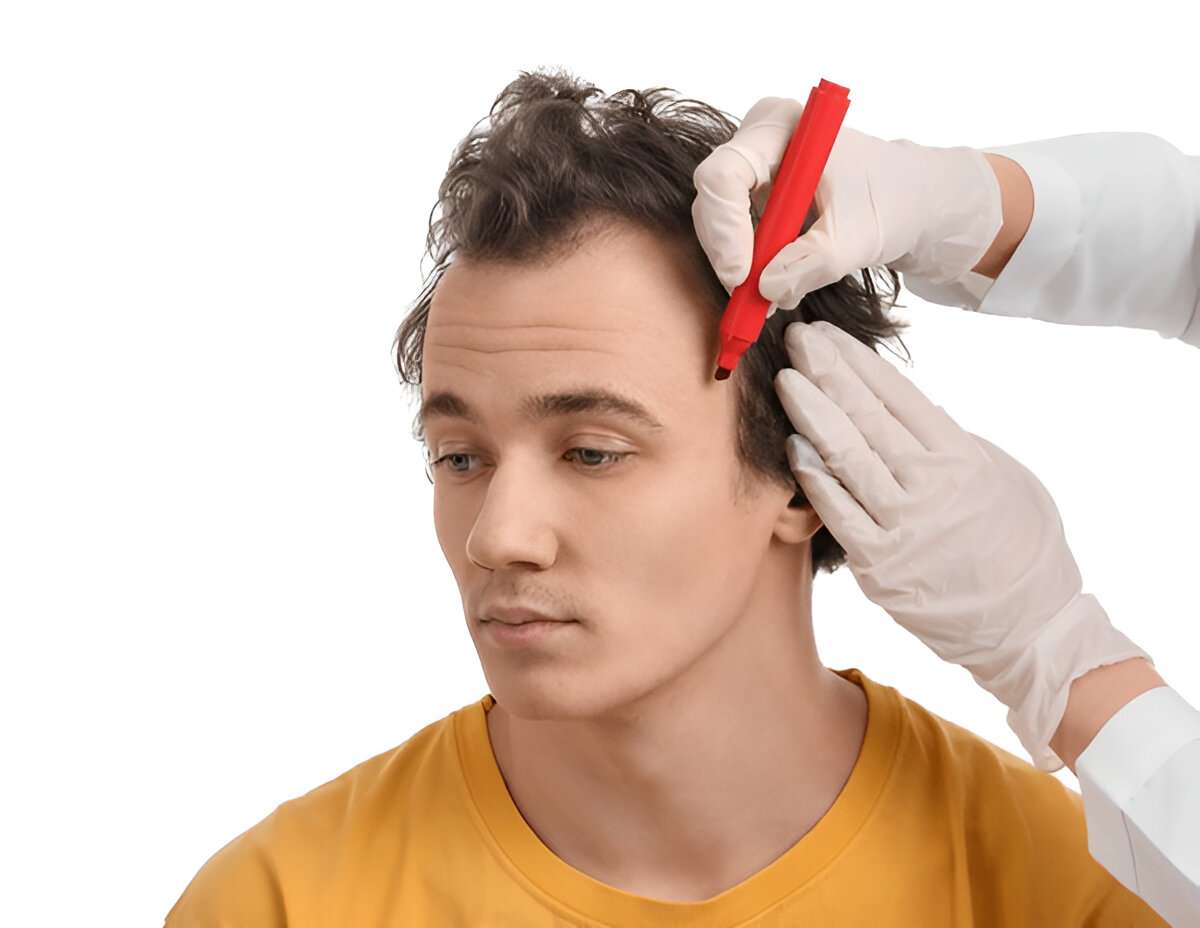
Many individuals face hair loss, and in the UK, the demand for hair transplant cost UK procedures has been steadily increasing. Over the years, technological advancements have transformed the hair transplant industry, offering new techniques that ensure better results, reduced recovery time, and more natural-looking outcomes. In this article, we’ll explore the latest innovations in hair transplant technology in the UK and how these advancements shape the future of hair restoration.
The Evolution of Hair Transplants in the UK
Hair transplant surgery has come a long way since its inception. Early techniques, such as the punch graft method, left patients with noticeable scars and unnatural hairlines. However, technological advancements and surgical techniques have significantly improved the outcome and patient experience. Today, people in the UK can expect more precise, minimally invasive procedures that offer long-lasting and natural results.
Modern Hair Transplant Techniques: FUE and FUT
Before delving into the latest innovations, it’s essential to understand the two primary methods currently used in hair transplant UK clinics: FUE (Follicular Unit Extraction) and FUT (Follicular Unit Transplantation). Both methods have significantly improved in recent years, contributing to the overall enhancement of hair transplant results.
FUE (Follicular Unit Extraction)
FUE is one of the most popular techniques today. During the procedure, hair follicles are extracted from the donor area, typically at the back or sides of the head, and then transplanted into the thinning or bald areas. The primary innovation in FUE has been the introduction of robotic technology and motorized punches, which allow for greater precision and minimal damage to the follicles.
FUE offers less scarring, faster recovery, and a more natural look. This method has become a go-to choice for patients seeking a more discreet procedure with minimal downtime.
FUT (Follicular Unit Transplantation)
While FUE is widely preferred for its less invasive nature, FUT remains a valuable option for patients with more extensive hair loss. FUT involves removing a strip of scalp from the donor area and dividing it into smaller grafts to transplant to the thinning area. Although this method leaves a linear scar, it can yield more grafts in one sitting, making it ideal for individuals who need a more substantial restoration.
Latest Innovations in Hair Transplant Technology
The world of hair transplant has seen incredible innovations that continue to improve the success and safety of the procedure. In recent years, advancements in robotics, artificial intelligence, and more refined tools have allowed surgeons to achieve better results. Let’s dive into the most significant innovations making waves in the industry.
Robotic-Assisted Hair Transplants
One of the most significant innovations in hair transplant London has been the introduction of robotic technology. Robots, such as the ARTAS system, assist surgeons by automating the FUE extraction process. These robotic systems use advanced algorithms to identify the healthiest follicles for extraction, ensuring that only the best hair is transplanted.
The benefit of robotic technology is that it allows for precise, consistent extraction with minimal human error. Fewer grafts are damaged during the procedure, improving outcomes. The robotic system can also work faster than manual methods, reducing the overall procedure time.
AI and Machine Learning in Hair Transplant Planning
Another innovation transforming hair transplant technology is integrating artificial intelligence (AI) and machine learning into planning. AI algorithms analyze a patient’s scalp condition, hair type, and growth patterns to determine the most effective transplant strategy.
Using AI, surgeons can map out the most natural hairline and customize the procedure to suit each patient’s needs. This technology ensures the final result looks as natural as possible, creating a seamless transition from transplanted hair to the existing hair.
Automated Graft Implantation
While FUE is already minimally invasive, recent advancements in graft implantation are making the process even more efficient. Automated graft implantation systems, such as the NeoGraft system, enable the surgeon to implant the hair follicles with increased speed and accuracy. These systems use gentle suction to implant the grafts, ensuring they are positioned precisely at the correct angle and depth for optimal growth.
The benefit of automated implantation is that it reduces the trauma to the scalp and speeds up the procedure, leading to quicker recovery times and better results. Patients no longer have to endure the lengthy manual implantation process, and the risk of complications is minimized.
Platelet-Rich Plasma (PRP) Therapy
PRP therapy is another breakthrough innovation that is gaining popularity in hair transplant UK clinics. During this treatment, a patient’s blood is drawn, processed to concentrate the platelets, and reinjected into the scalp. The platelets contain growth factors that stimulate hair follicles, promote new hair growth, and accelerate the healing process after a transplant.
PRP therapy is often used with FUE or FUT procedures to enhance results. It can help improve the thickness of existing hair and ensure that the transplanted follicles take root and grow effectively.
Stem Cell Therapy
Stem cell therapy is still in the experimental phase, but it shows tremendous potential for the future of hair transplant technology. Researchers are exploring ways to use stem cells to regenerate hair follicles in areas where hair loss has occurred. The hope is that stem cell therapy could promote new hair growth and help create hair follicles that are more resistant to future hair loss.
If successfully implemented, stem cell therapy could revolutionize the way hair transplants are performed, providing patients with more effective and long-lasting results.
The Future of Hair Transplant Technology
As technology continues to evolve, the future of hair transplant cost UK looks incredibly promising. Surgeons constantly refine their techniques, integrate the latest technology, and offer new solutions to ensure better patient results. Whether through robotic assistance, AI-driven planning, or advanced regenerative treatments, the next generation of hair transplant procedures will likely be faster, more efficient, and even more natural-looking.
What Does This Mean for You?
With these latest innovations in hair transplant technology in the UK, patients can now access more precise, quicker, and less invasive procedures. Whether you’re looking to restore your hairline with FUE or opting for a more extensive solution with FUT, technological advancements ensure you get the best possible results. These innovations improve the procedure’s success, reduce recovery times, and minimize scarring.
Conclusion
The world of hair transplant London is evolving rapidly, and the latest technological innovations are making the process more effective and accessible than ever. From robotic-assisted FUE to cutting-edge PRP and stem cell therapies, these advancements transform how hair transplants are performed. As the technology continues to improve, patients in the UK can expect even better results, faster recovery, and a more natural appearance. If you’re considering a hair transplant, staying informed about these innovations can help you make the best decision for your needs.
Read more: How to Find a Dentist Near You Who Specializes in Sedation Dentistry
About the Author