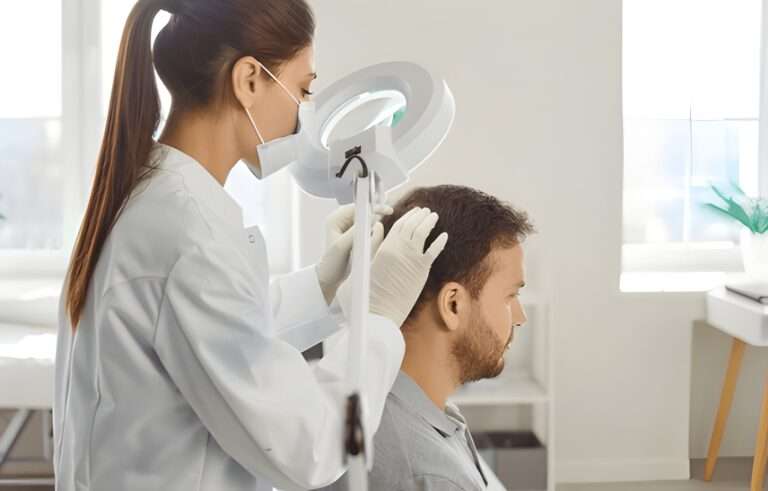
A hair transplant is a transformative procedure that can restore confidence and natural-looking hair. However, like any medical procedure, it comes with potential side effects such as swelling, redness, or mild discomfort. For patients across the UK, proper aftercare is essential to minimise these effects and ensure optimal results. Whether you are visiting a hair transplant London clinic or exploring hair transplant UK options, understanding post-operative care is critical for a smooth recovery.
Why Aftercare Matters
The success of a hair transplant extends beyond the procedure itself. How you care for your scalp in the days and weeks following surgery plays a major role in graft survival and overall results. Poor aftercare can lead to irritation, delayed healing, or even infection.
Hair transplant London specialists emphasise that following instructions closely improves recovery speed and reduces the likelihood of side effects. Across hair transplant UK clinics, patients who adhere to aftercare advice report higher satisfaction and better-looking outcomes.
Managing Swelling and Redness
Swelling and redness are common during the first few days after surgery. They occur due to the body’s natural response to minor trauma on the scalp.
To reduce swelling, patients should keep their heads elevated while resting or sleeping. Hair transplant London clinics often recommend using a soft pillow or reclined position to prevent fluid accumulation. Cold compresses applied gently to the forehead can also help, but direct pressure on grafts should be avoided. Across hair transplant UK clinics, these simple measures are widely used and highly effective.
Protecting Your Scalp
The newly implanted follicles are delicate and require careful handling. Avoid scratching, rubbing, or applying harsh products to the scalp during the initial healing period.
Hair transplant London specialists advise using only mild, recommended shampoos and avoiding vigorous washing for the first few days. Across hair transplant UK clinics, patients are encouraged to follow these instructions to prevent dislodging grafts or causing irritation.
Medications and Pain Management
Some discomfort is normal after a hair transplant, and clinics typically provide guidelines for pain relief. Over-the-counter painkillers or prescribed anti-inflammatories can help reduce discomfort and swelling.
Hair transplant London clinics emphasise taking medications exactly as instructed. Across hair transplant UK clinics, patients who follow these recommendations experience smoother recovery and fewer complications.
Lifestyle and Activity Considerations
Limiting physical activity in the initial days is crucial. Strenuous exercise can increase blood pressure and swelling, potentially affecting grafts. Avoid heavy lifting, bending, or intense workouts for at least a week post-surgery.
Hair transplant London specialists also recommend avoiding alcohol and smoking, as these can impair healing. Across hair transplant UK clinics, patients are advised that healthy lifestyle choices support faster recovery and minimise side effects.
Monitoring for Complications
While most side effects are mild and temporary, it’s important to monitor your scalp for unusual signs. Severe pain, persistent swelling, or signs of infection should be reported immediately to your clinic.
Hair transplant London clinics emphasise prompt communication to address potential issues quickly. Across hair transplant UK providers, early intervention ensures patient safety and protects the success of the transplant.
Long-Term Care for Optimal Results
After the initial healing period, continued care helps maintain the health of transplanted and existing hair. Gentle shampooing, avoiding harsh chemical treatments, and protecting the scalp from excessive sun exposure are key practices.
Hair transplant London clinics often schedule follow-up appointments to monitor progress and offer guidance. Across hair transplant UK clinics, patients who maintain good long-term care achieve the best aesthetic results and healthy hair growth.
Final Thoughts
Proper aftercare is essential for minimising side effects and ensuring a successful hair transplant. From managing swelling and redness to protecting the scalp, following professional guidance can make a significant difference. Whether visiting a hair transplant London clinic or exploring hair transplant UK options, adherence to aftercare instructions improves recovery, enhances graft survival, and maximises the appearance of natural, healthy hair. With careful attention, patients can enjoy both a smooth healing process and the long-term benefits of restored hair.
About the Author