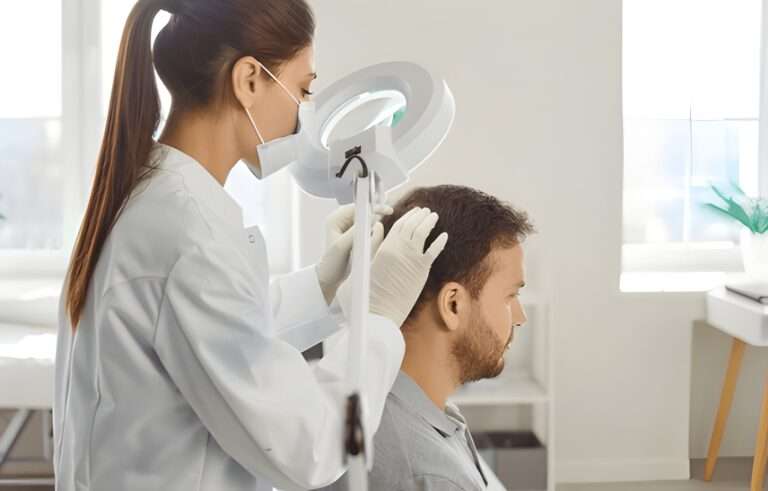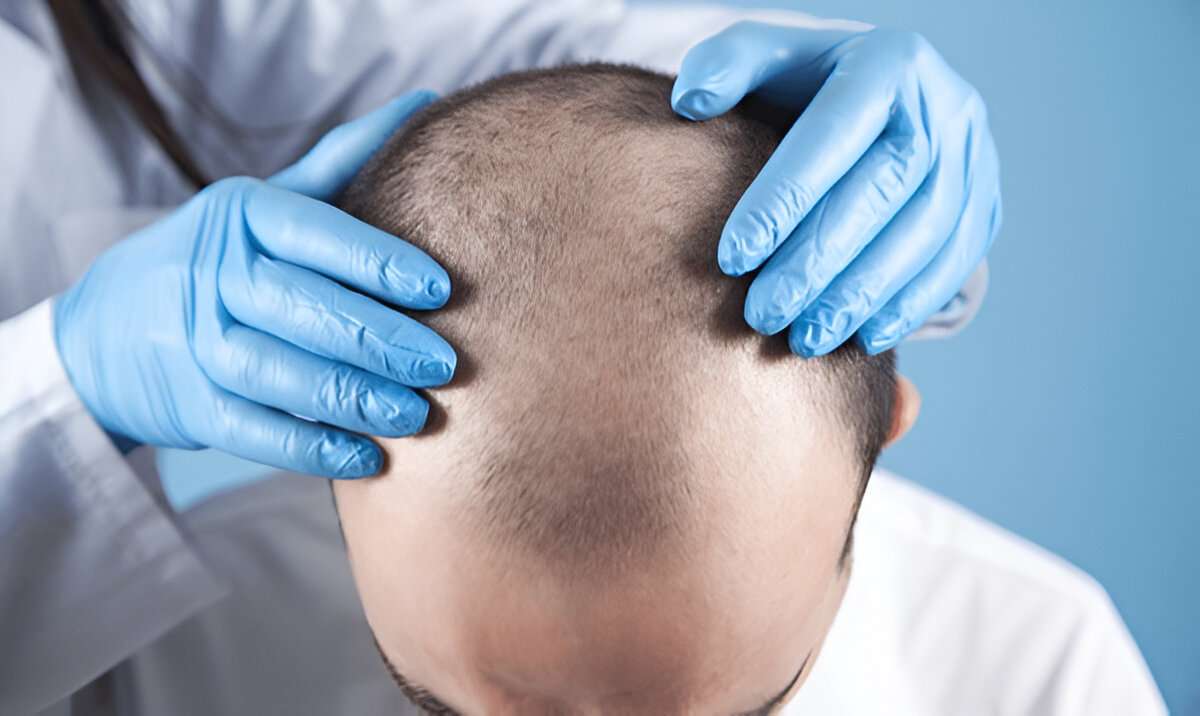
Thinking about getting a hair transplant is exciting—but let’s be honest, the word “recovery” can feel intimidating. Most people don’t talk openly about what happens after the surgery. They show you the shiny before-and-after photos, but they skip the middle bit. And that’s where the truth really lives.
So if you’re wondering what hair transplant recovery is actually like, this is the guide for you. We’re talking real, raw, and human—no fluff, no medical jargon, and no false promises. Just the experience you should expect, especially if you’re considering the hair transplant cost London.
Day One: Right After Surgery
Once the procedure is done, you’re allowed to go home the same day. You’re not in pain, but there’s definitely some discomfort. Your scalp feels tender and maybe a bit tight. The donor area—usually the back of your head—will likely be sore, but manageable.
You’ll leave the clinic wearing a loose-fitting cap or headband. There’s no need to panic if you see some swelling around your forehead by the next morning. That’s normal. Your surgeon will likely give you aftercare instructions and medication to help reduce swelling and avoid infection.
Most people are surprised by how okay they feel. You won’t look camera-ready, but you also won’t feel like you’ve been hit by a truck. The key is to rest and let your body begin to heal.
The First Week: Redness, Scabs, and Patience
This is the most sensitive stage. The implanted grafts are in a fragile state, so you’ll need to avoid touching or washing the scalp for the first couple of days. After that, you’ll be guided on how to gently cleanse it without disturbing the grafts.
Redness and tiny scabs form where each hair was placed. Some people describe it as looking like little pin dots across the scalp. It’s not pretty, but it’s part of the healing process. Don’t pick at the scabs, even if they itch. Trust the process.
During this phase, you might be thinking about the hair transplant cost in London—wondering if it’s worth it. But hold tight. You haven’t seen the real results yet. This phase is temporary and essential to the long-term outcome.
Weeks 2 to 4: The Shedding Phase
This is the part no one warns you about: the shedding. Yes, the newly transplanted hairs start falling out. It feels terrifying. You’ve invested time, money, and trust—only to watch those new hairs disappear.
Here’s the truth: it’s supposed to happen. The follicles aren’t gone. Just the hairs fall out as the root systems take hold. Your new hair is brewing beneath the surface. It’s just not visible yet.
Emotionally, this phase is challenging. You might question everything. But if you’ve gone to a reputable UK clinic and invested in real care, the foundation is strong. That’s why knowing what goes into the hair transplant cost London matters—it’s not just surgery. It’s the entire journey.
Months 2 to 5: Waiting and Watching
You’ll probably feel like nothing is happening for a while. The scalp will look mostly normal, but the new hairs are growing underneath. Around the three-month mark, soft new hairs begin to emerge. They’re thin at first, almost like baby hair.
This is where the mental game kicks in. You’ll be watching every inch of growth in the mirror, wondering when it’ll start looking “full.” Just breathe. The best results take time.
You’re likely checking in with your clinic during this phase, sending photos, or attending a follow-up. That’s part of why the hair transplant cost in London is higher thanin some other places—you’re not just paying for the procedure. You’re paying for months of support.
Months 6 to 12: Seeing the Real Change
This is where the magic happens. Your hair becomes thicker, darker, and more textured. People begin to notice. Friends say you look refreshed. Colleagues start asking what changed.
By month nine, you’ve got density. By month twelve, it’s nearly your full result. And it doesn’t feel like “transplant hair” anymore. It feels like your hair. You can cut it, style it, or grow it long. It responds just like the rest of your hair.
Many patients in the UK say this is when they truly understand the value. The hair transplant cost in London feels justified when you see a new version of yourself looking back in the mirror. Not altered and just restored.
What Recovery Means
Hair transplant recovery isn’t just about healing wounds—it’s about healing your self-image. It’s uncomfortable at times. It tests your patience. It might even scare you a bit.
But one year later, most people say it’s one of the best decisions they’ve ever made.
The process is gradual, but it’s also powerful. You learn to trust your body, your clinic, and the timeline. You begin to realise that the price you paid covered much more than grafts. It covered support, skill, safety, and results that truly last.
So if you’re considering it, take recovery seriously. Understand the timeline. Embrace the quiet stages. And remember, the hair transplant cost in London isn’t just about money. It’s about doing it right the first time, with professionals who care about your outcome as much as you do.
About the Author